

If you want Italy without the crowds, go south. Wayyy south. Salento is the very bottom of Puglia, the heel of the boot, and it is the part of Italy that almost nobody puts on a first trip. That is exactly why it works! You get two coastlines, some of the best food I have eaten anywhere, and wineries where you are the only two people there, all for a fraction of what the same week costs further north.
This was our second anniversary trip and we were truly blown away. My partner and I flew in, rented a car, drove two hours south of the airport, and stayed put for five nights in a renovated 16th century masseria surrounded by olive groves. Then we drove back north through the hill towns and ended in Bari, to lessen our commute to the airport in the morning.
I want to be honest about what this post is and is not. We planned this trip around food, wine, and water, per usual. There is a LOT of history down here too, and a serious amount of it (2,000 year old cities, Roman quarries, mosaic floors from the 1100s), so if that is your jam you will find plenty. But the spine of our week was long lunches and getting in the ocean with a glass of wine waiting for us afterwards.
Here you will find my saved map of Puglia, everywhere we went and everywhere I researched, which you can add right to your own Google Maps to have all my recommendations at your fingertips. I’ve also started making clickable/save-able itineraries here (affiliate links)! Below is our whole itinerary day by day. And at the end, I have listed everything by category in case you would rather read it that way versus itinerary style.
This trip is perfect for a group of gals who want a home base instead of a new hotel every two nights, couples, anyone who has already done Rome and Florence and wants the version of Italy where nobody is speaking English, and travelers who plan their days around what they are going to eat. It is NOT the trip for you if you want to walk everywhere. You need a car down here, and I’ll get into that.
where to stay
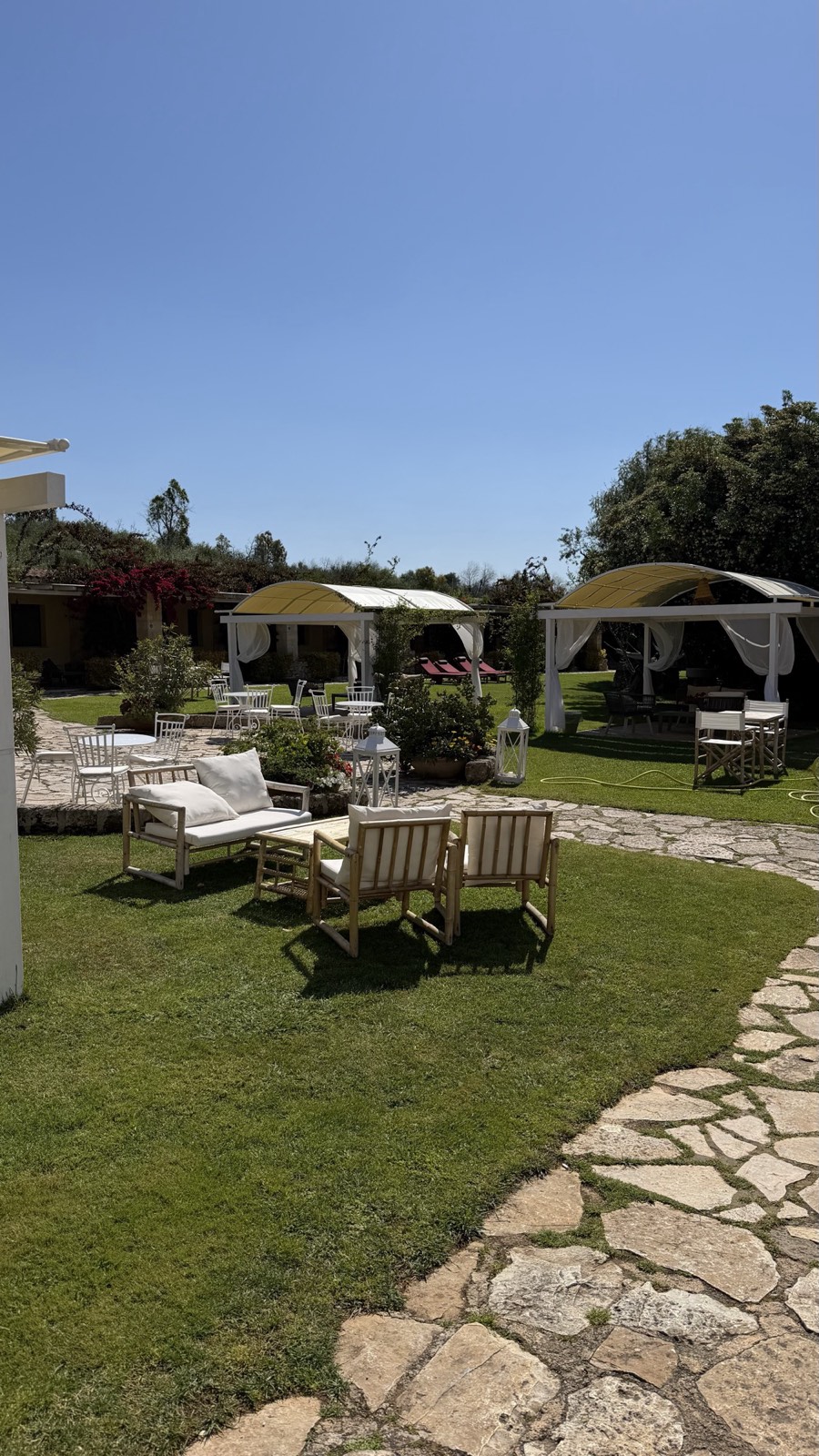
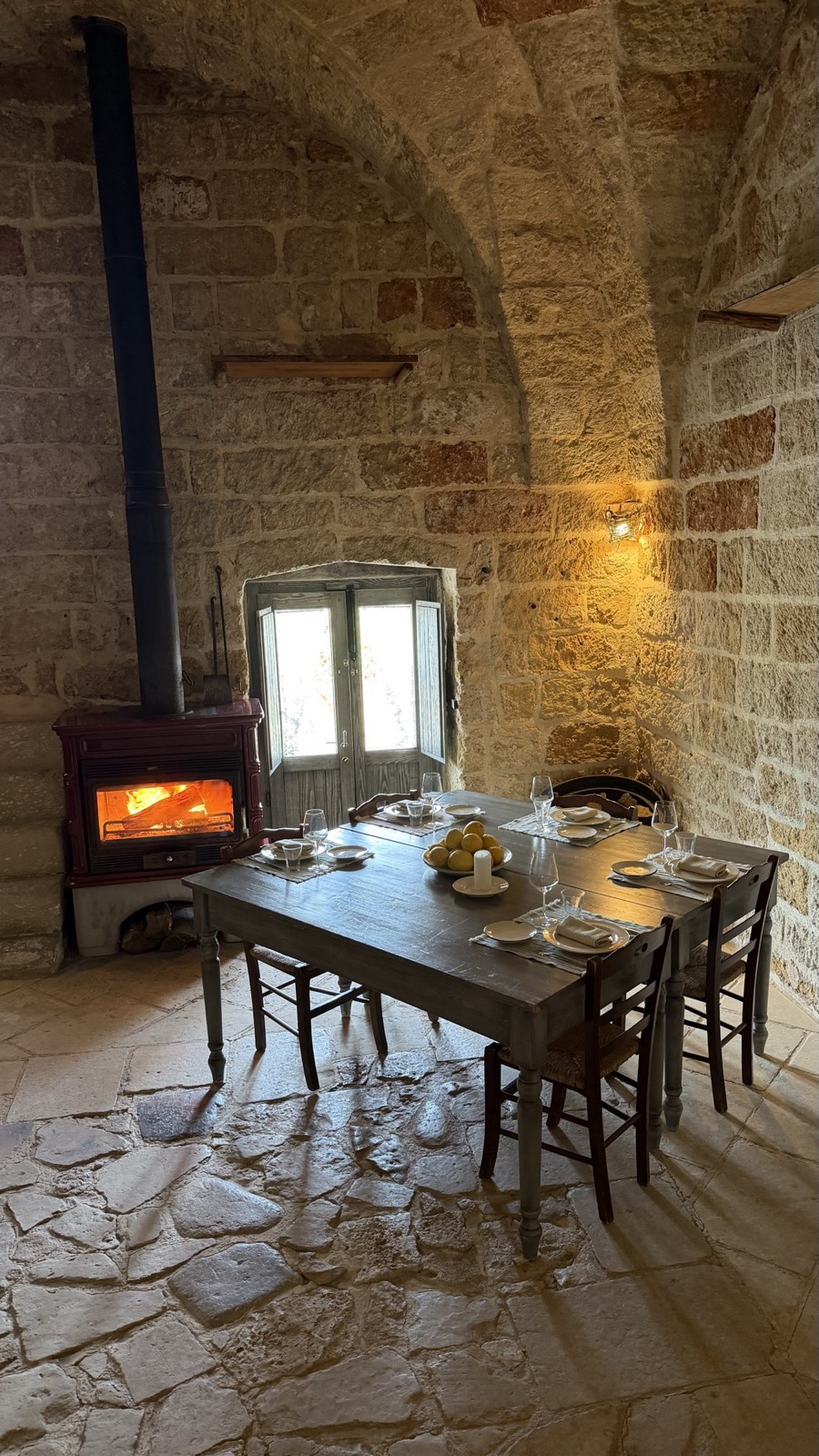
We stayed at Antica Masseria Rottacapozza, in the deep south near Torre Vado, and I have thought about it constantly since.
First, what a masseria actually is, because I had no idea before I started planning: it is a renovated farmhouse, most of them centuries old, and across southern Italy they have been converted into small hotels. There are olive groves, a pool, stone everything, and the dining room feeds you food that often came off the property. It is a whole category of place to stay that barely exists anywhere else in Italy, and the best part – it’s not expensive.
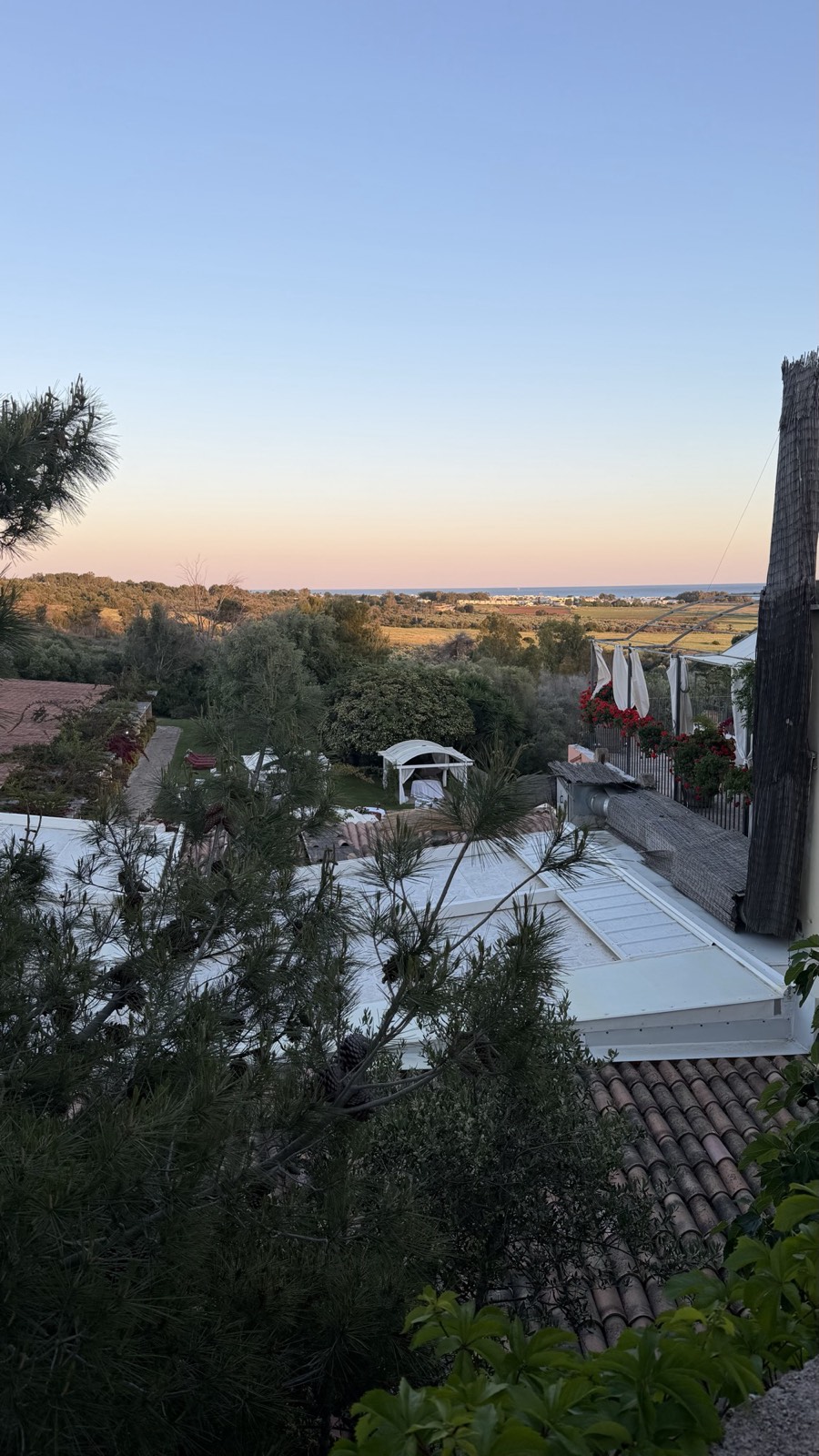
What made it: it is quiet in a way a hotel can’t be. Breakfast is serene, there is a spa with an underground blue pool, there are house cats, and in shoulder season we mostly had the pool to ourselves. We ate dinner on property twice and enjoyed it immensely. We also walked straight into a wedding happening on the grounds our first night, which was a very good introduction to the place.
My tip if you want to stay this way: search “masseria” plus the region rather than the town name. They don’t surface well if you are searching the way you would search for a city hotel, and the many of them aren’t on the big booking sites at all.
The catch, so it doesn’t bite you: you often cannot walk anywhere from a masseria. Not to a town, not to a restaurant, and not to the beach. The property told me straight out that the nearest beach club was too far to walk and to rent a car at the airport, and they were right. If the idea of driving to dinner every night bothers you (unless you want to stay on property), stay in Lecce or a town instead.
overall travel notes
getting there
You are flying into Bari (BRI) or Brindisi (BDS). Bari is the larger of the two, but nonstop flights from the US are nearly nonexistant. We routed through Barcelona and spent a night there on the way, which I would recommend if your layover is long enough to be annoying anyway. Turn it into a night!
From Bari, budget about two hours of driving to get to the deep south. Brindisi is closer to Salento if you can find a good connection into it. And check your arrival/departure times, because it could make sense to stay a night in Bari on either end (we did it at the end).
getting around (read this one)
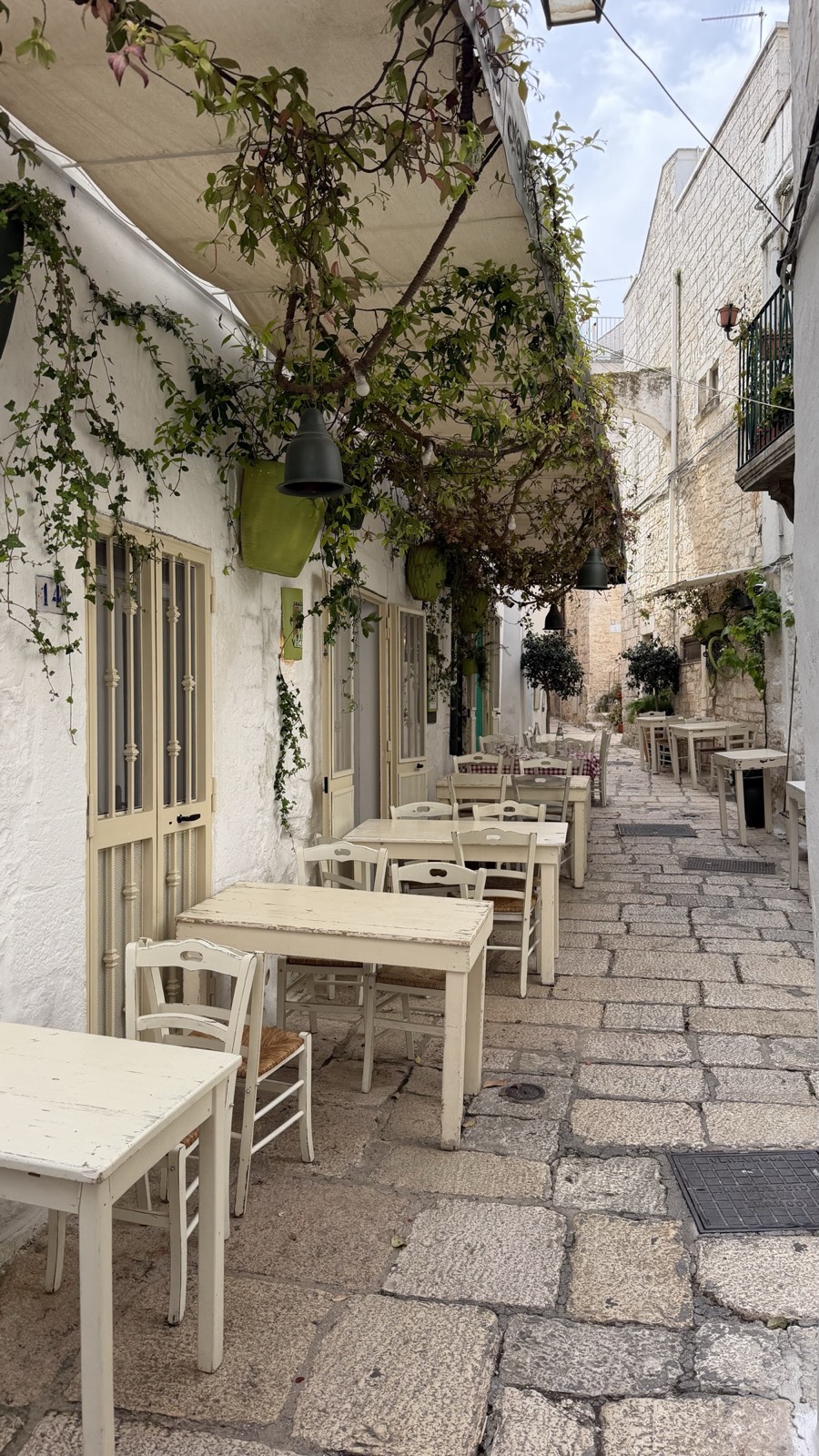
You need a rental car. This is not optional if you want to leave the cities. Taxis don’t really run between towns down here, trains only go between some cities, and everything good is fifteen to forty minutes from everything else. We picked ours up at the airport and had it the whole week.
The one thing I will flag: the coastal road is stunning and it is also legitimately hard driving. Narrow, cliffside, and the maps were not always right. Also make sure you know if you’re renting an automatic or manual transmission! We went manual so we could get a smaller car.
For the winery day we did use a driver, because five pours at each of two wineries is not a day you drive yourself. Ask your property who they use. We booked through the masseria and it was a fraction of what a car service would have cost.
when to go (shoulder season is the whole trick)
We went in early May and I would do it again without changing a thing. Shoulder season is the whole unlock down here. The beach clubs are mostly not open yet and the beaches are close to deserted on weekdays, the towns are full of actual locals instead of tour groups, and, best of all, private winery tastings cost about what a group tour costs in high season because there is no group. We were the only two people at both wineries.
The tradeoff is real though: some days were cold and windy. Gallipoli in the evening was chilly enough that it took the shine off. Bring layers and do not plan on the sea being warm if you’re there in the spring. Early fall is another story!
what to pack
Shoes you can actually walk on cobblestones in, a swimsuit even in May (you will get in), and something a little dressed up for the winery day. The towns down here are more put together than you would expect for how rural it is.
One really useful thing I did before the trip: I booked a paid planning call with a local through Go Ask A Local and it shaped the entire week. He sent a custom map of beaches color coded for sandy versus rocky, a winery map with contact details, and the single best piece of advice I got, which was that when wind makes the sea rough on one side of the peninsula, the other side is calm. You are on a narrow strip of land with two different seas. Check the wind, then pick your coast.
download italian offline
This one surprised me: we leaned on Google Translate down here way more than I have anywhere else in Italy. English is not widely spoken once you are off the main tourist track, which is a big part of why the region feels the way it does, but it does mean you will be pointing at your phone in restaurants. Download Italian for offline use before you go. Cell service is patchy in the countryside, and that’s where you need it!
our itinerary
Steal my itinerary. Every place I mention here is saved on my Globe Thrivers itinerary (affiliate link), so you can pull the whole thing into your own trip instead of screenshotting this page and hoping you find it again in three months. Save it, rearrange it, cut whatever isn't your jam.
day 1: Arrival + the Masseria
Landed in Bari, picked up the car, and stopped for lunch almost immediately at Ristorante Casablanca, just outside the city and right on the water. That was our first real meal in Italy and where I learned my Italian (read: Google Translate) was going to be tested immediately. Fresh fish and a terrace over the sea.
Then the drive south, which takes about two hours and is worth staying awake for. The landscape gets flatter, drier, and more agricultural, and then it is nothing but olive trees.
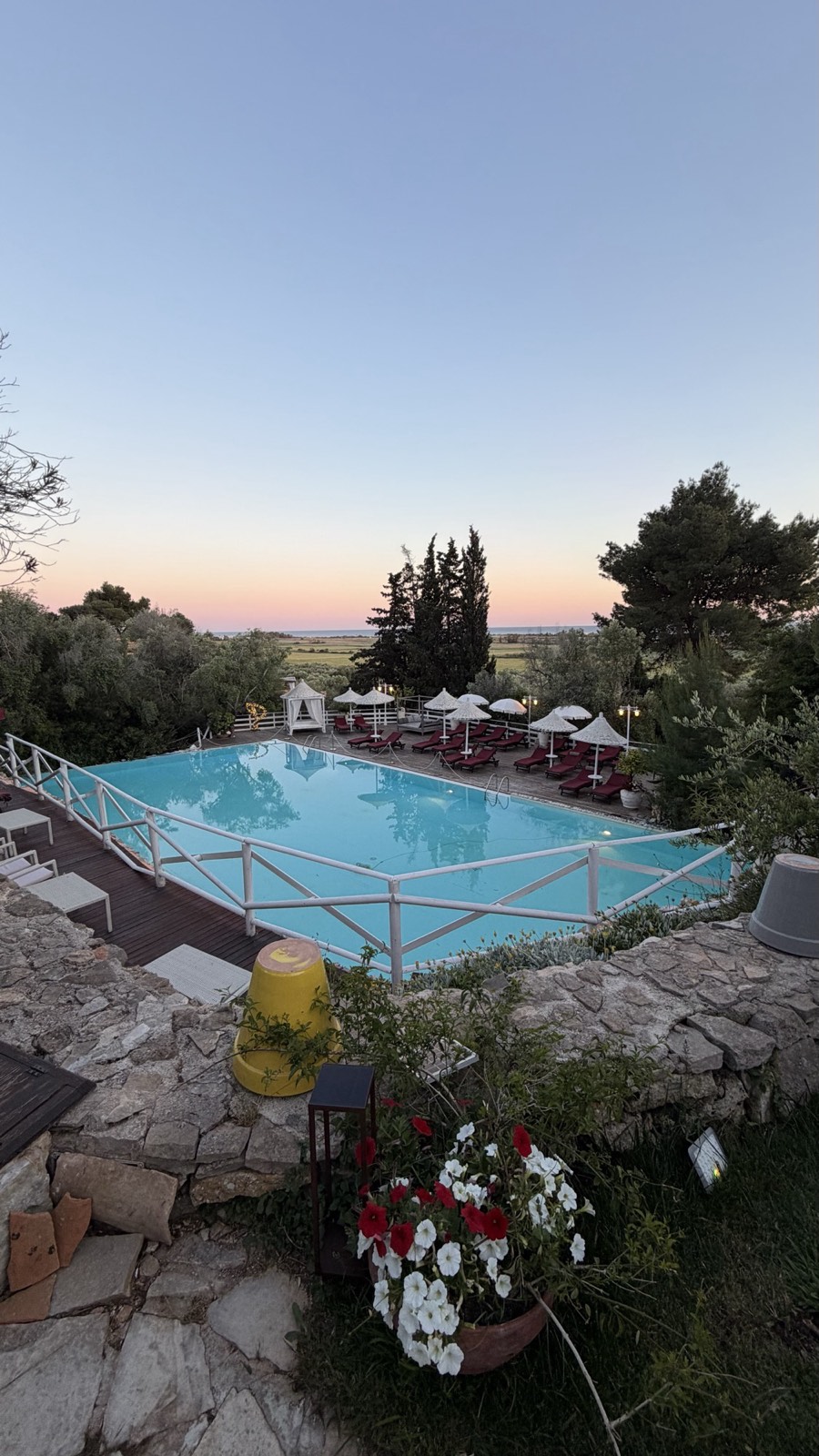
Then the first sight of the masseria, which is stone gates and a long drive and then a courtyard. We got in, looked around the grounds, sat by the pool, and had the first Aperol spritz of the trip.
Dinner on property. And then, as mentioned, a wedding happening about thirty feet away, which we watched from a respectful distance like the nosy people we are.
day 2: A Beach Morning, Then Lecce With a Historian
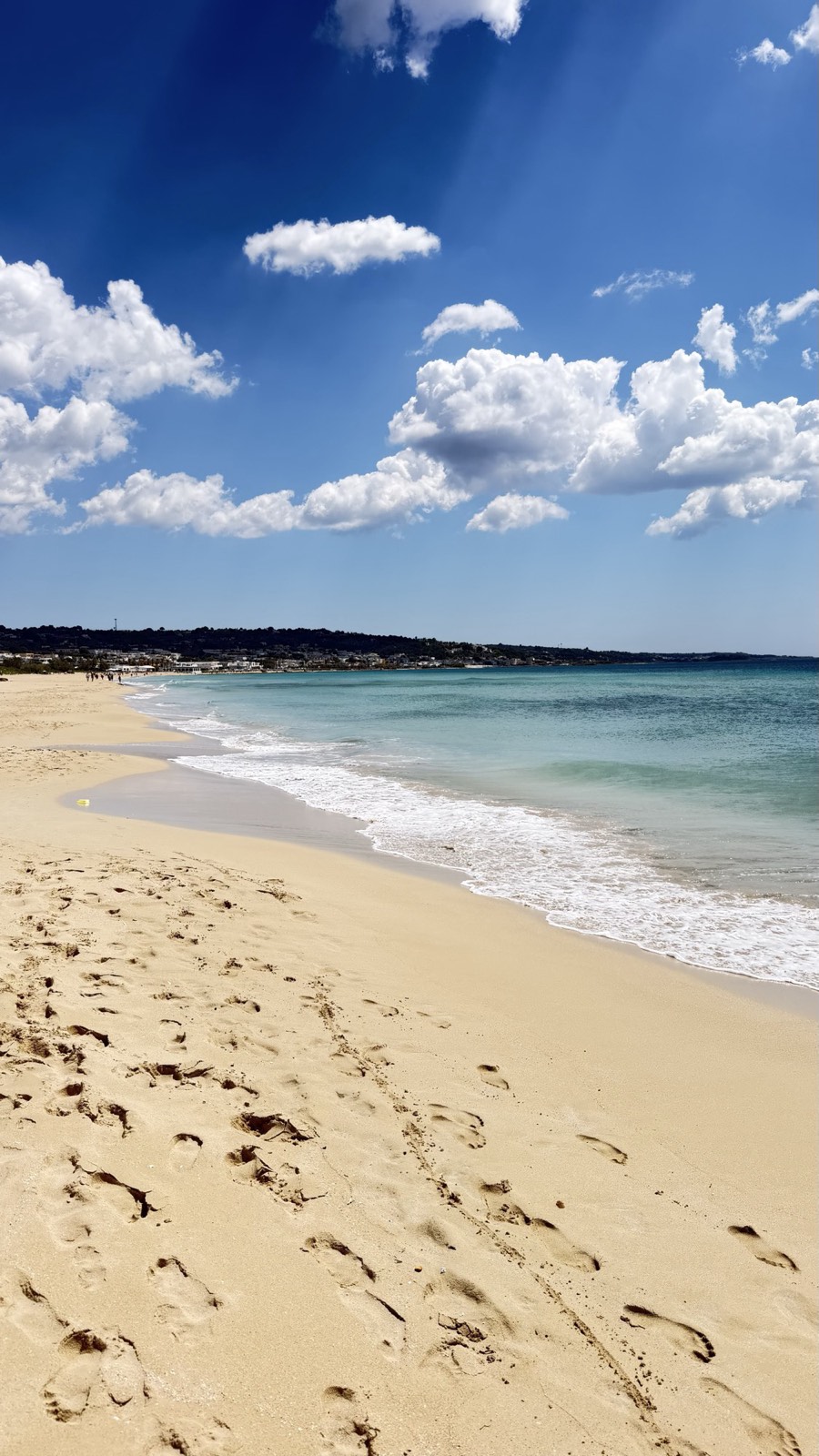
Morning at Pescoluse, which people call the Maldives of Salento and which, in early May on a weekday, was nearly empty. Shallow, clear, water and white sand. This is the shoulder season payoff in one moment.
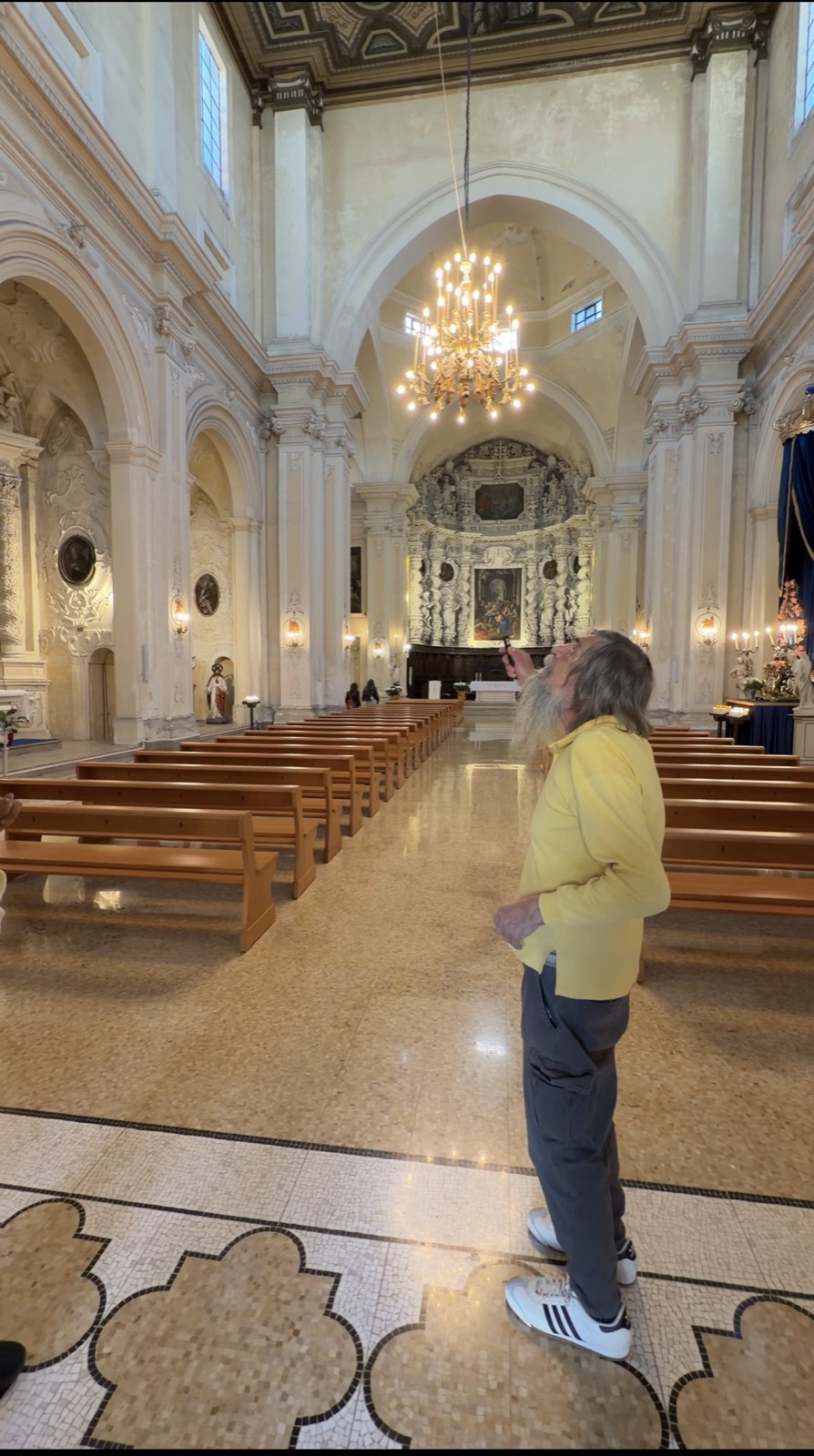
Then on to Lecce (via the driver our hotel recommended) with a first stop for panini from Profumo di Pane (get the diavolo, spicy salami). This was the best money we spent on the entire trip. We hired a local historian, also recommended by our masseria, for a private four hour tour that was absolutely incredible. That’s the tip: ask where you are staying who they use. It is a fraction of what an agency charges and you get somebody who grew up there. He walked us past his own great grandmother’s house!
Four hours of history that held my attention the whole time, which I say as somebody who fades on guided tours. It included a papier-mâché demonstration (Lecce is known for it) and an olive oil tasting, where we bought oil we then carried around Europe for a week.
Dinner in Lecce after. I am not going to name it, because it was only just fine and this post is only for places I would actually send you to.
day 3: Two Seas in One Afternoon
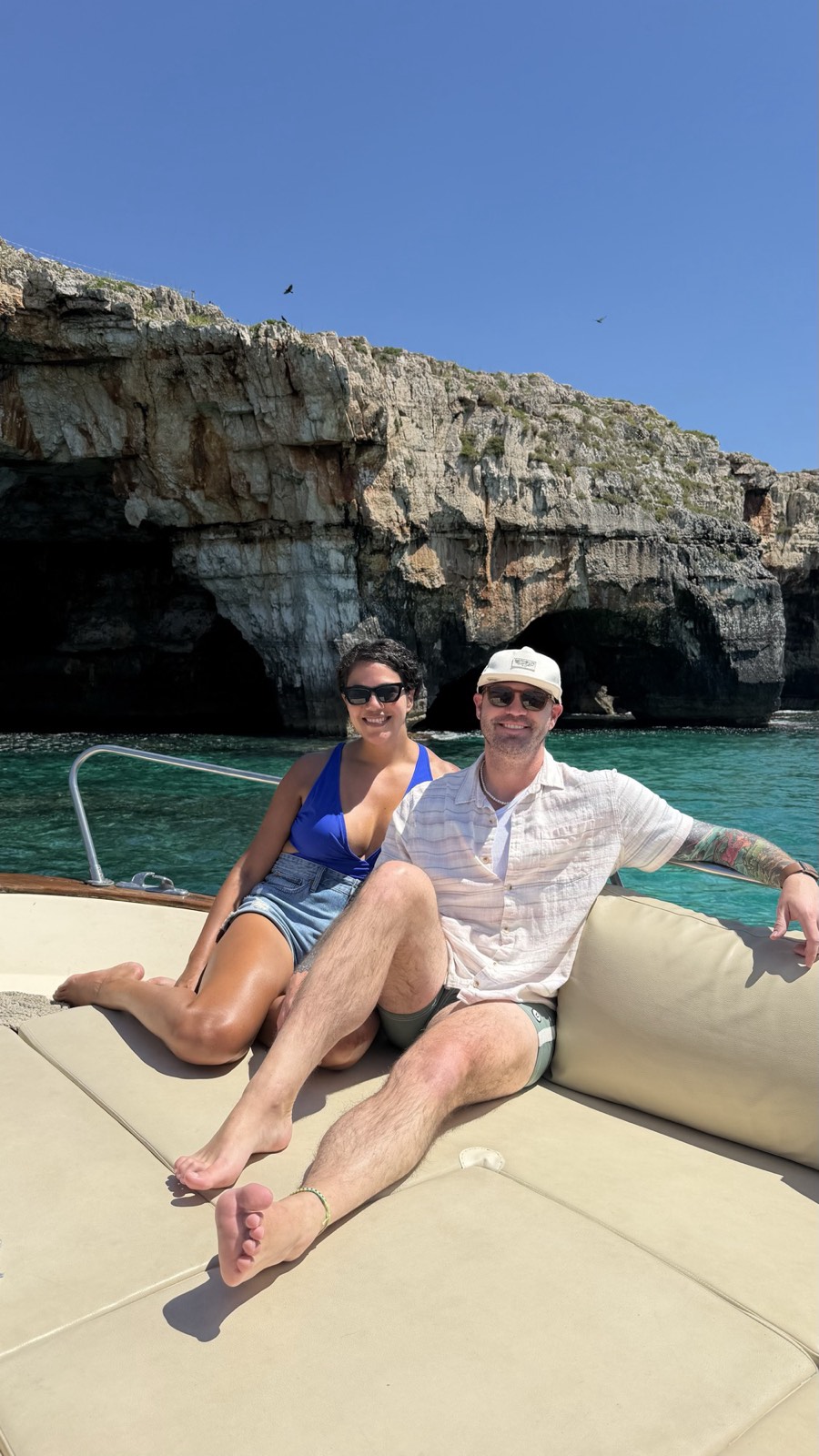
The biggest day of the trip. We drove down to Santa Maria di Leuca, the southernmost point of the heel, and took a boat tour (affiliate link) out of the marina.
Leuca is where the Adriatic and the Ionian meet, so one boat can run up both coasts in a single trip, and they look nothing alike. One side is cliffs and deep, dark blue. The other is shallow and green, and there are sea caves on both sides. It’s truly the most stunning coast I’ve seen (and I’ve seen the Amalfi coast). Our guide pulled out a guitar partway through and started pouring prosecco, which was not on the itinerary and was the best part.
Waterfront pasta lunch after at Blanc Beach Club in Leuca, right on the water. The seafood pasta is the order.
Then the coastal drive north to Otranto, which is the drive I warned you about. Gorgeous, watchtowers the whole way, coves you will want to pull over for, and narrow enough that I was gripping the door. Worth it! Stop any time you see a parking lot, you won’t regret it.
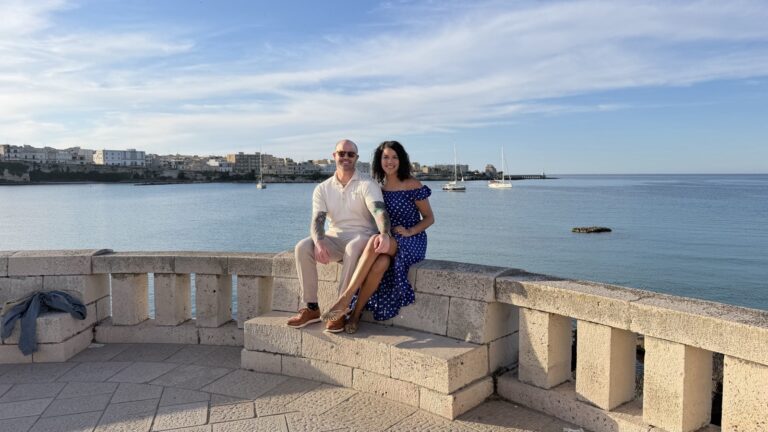
Otranto at golden hour is the prettiest thing I saw all week. We wandered the alleyways, had a Hugo spritz on the water, and watched the sun go down. My favorite photo of the whole trip is from that hour.
day 4: Two Wineries, One of Them a Castle
The best day if you like wine (spoiler: I do).
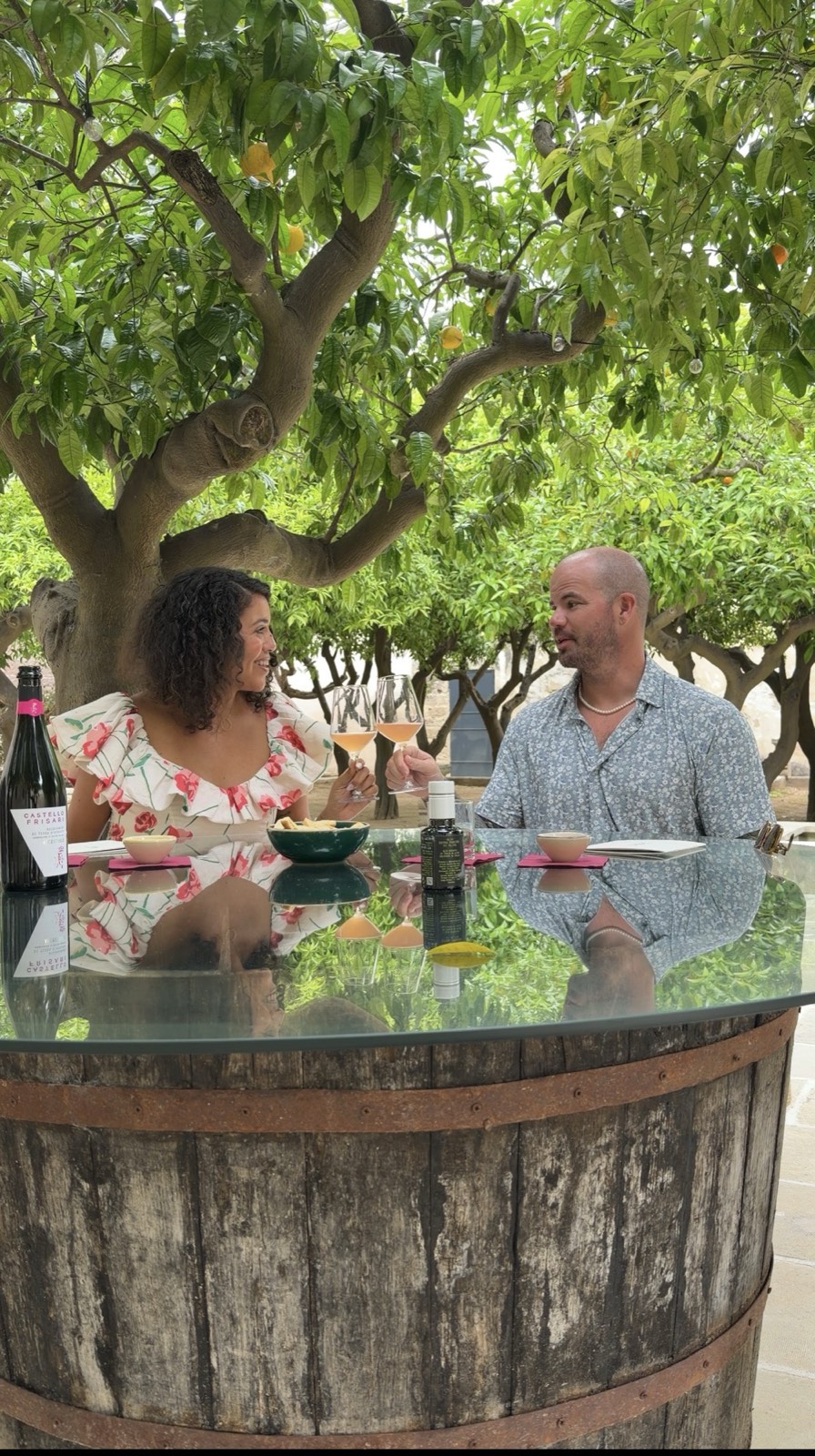
Two private tastings in one afternoon, without the private tasting price tag. First Duca Carlo Guarini, an estate the family has been farming for roughly 900 years, where the tasting came with house-made spreads and crackers made from their own wheat. Five generous pours, sitting in the garden.
Then, two minutes away, Castello Frisari, and this is the part I still cannot believe: you ring a doorbell on a castle and a man whose family makes the wine lets you in and pours for you in the garden. No tasting room. No gift shop. A garden and a winemaker. Book both together through Guarini, they coordinate it.
Worth knowing: these are working wineries, not tourist attractions, so you have to reserve in advance and you should ask for someone who speaks English when you do.
Evening in Gallipoli, an old fishing town on an island connected by a bridge, walls and a castle at the entrance, fish market, the whole thing. I will be honest that it was cold and windy when we went and that shortened the visit. I would go back on a warm evening and watch the sun set over the water.
Dinner at AMU in Gallipoli, which was our favorite meal of the trip right up until the next day. Fish, and excellent.
day 5: Underground Olive Mills + the Best Meal of the Trip
A slower day, and my favorite one.
Coffee in Presicce, a town that is built directly on top of caves. Everywhere you walk is hollow underneath. The underground olive mills tour runs about an hour, costs 8 euro each (roughly $9), and you book it through the town. Here is the fact that reframed the whole region for me: historically, all that olive oil was not being pressed for food. It was lamp oil. That is what the south was selling.
Then lunch at Masseria Le Stanzie, in Supersano, and this was the best meal of the entire trip. There is no real menu. They ask how many courses you want and then bring you food that was grown on the farm. We did the guided tour of the property first, which I would also do. I got too full for the meatball course, which I am still annoyed about. Email ahead, they are lovely, and ask for the tour when you book.
Slow afternoon back at the masseria after. Poolside drinks, the house cats, and dinner on property. Not every day needs a full plan!
day 6: Five Towns and a Medieval Festival
Checkout day, and instead of driving straight to the airport we spent the whole day working north.
Cisternino for lunch, a white hill town known for its butcher shops that roast meat in wood-fired ovens. What you order is bombette, pork wrapped around black pepper and cheese, crispy outside and juicy in the middle. We ate at Trattoria Bère Vecchie and they were excellent. The place I had actually saved was Arrosteria del Vicoletto, but it was closed the day we went, so it is still on my list.
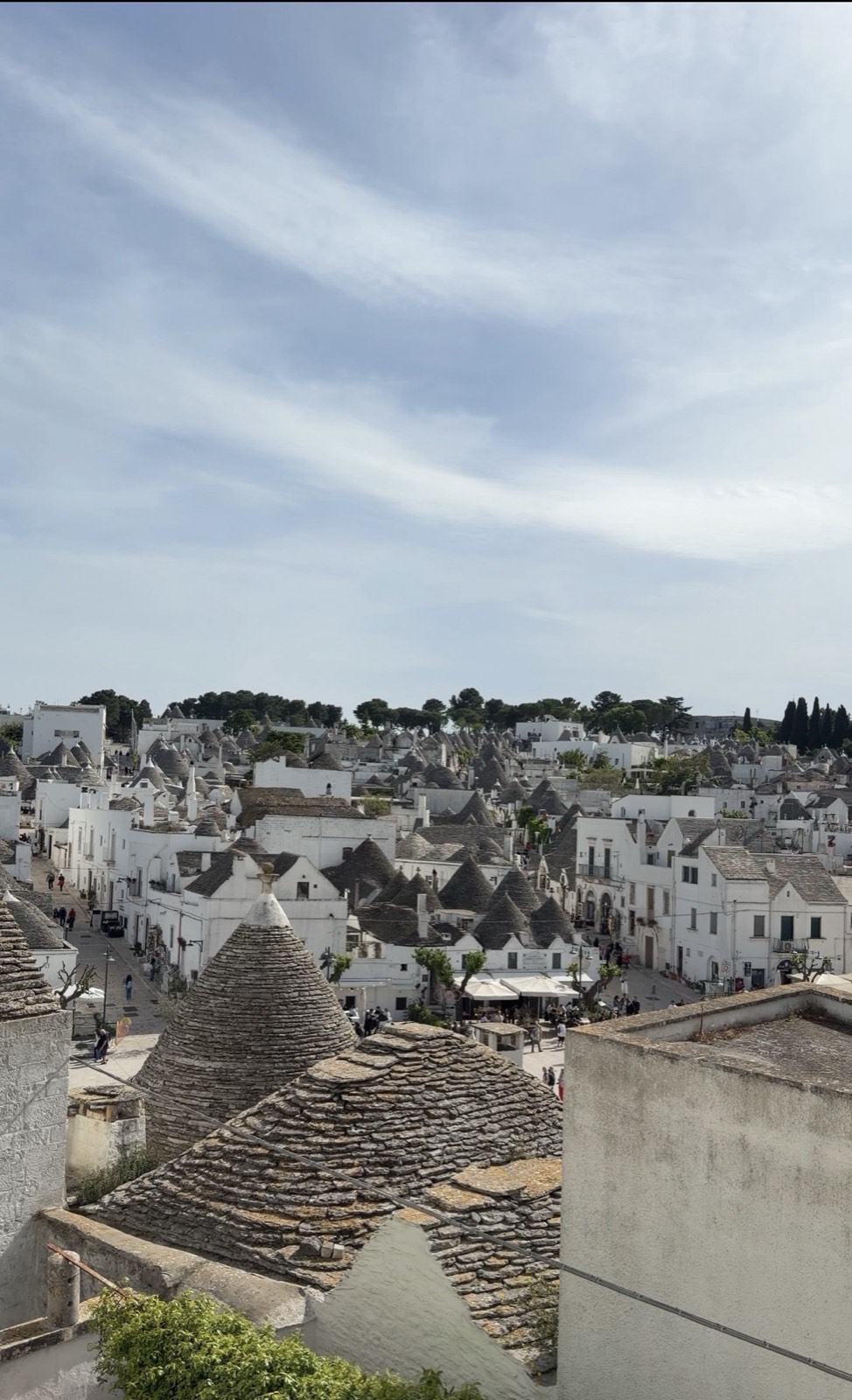
Alberobello for the trulli, the cone-roofed stone houses. Honest note: it is the most touristy place we went all week, by a wide margin. It is still worth an hour, and then get gelato and go.
Monopoli for the waterfront. We wandered the streets, stumbled on several rooftop bars, and picked one to toast the trip overlooking the water. This is a town to walk without a plan.
Then Bari for the night, which is where the trip decided to end on a high note we did not plan. We arrived in the middle of the Festa di San Nicola, walked our suitcases straight through a street fair, and later that night watched the Corteo Storico, a historical procession with costumes, torches and drums, go past our hotel. Our hotel was on the route. We had no idea. We ate street food on the water and called it a week.
We stayed in an Airbnb in the old town, which did its job for a one-night stopover before an early flight.
in conclusion
Puglia is the trip I recommend to people who think they have “done” Italy. Salento specifically. It is rural, it is not set up for tourists, and that’s what makes it perfect. You will eat better than you expect, you will pay less than you expect, and in shoulder season you will have entire beaches and entire wineries to yourself. A dream.
If I were doing it again I’d change exactly one thing: add two more days, because the list of things we did not get to is longer than the list of things we did.
We will be back!!
recommendation lists
everything mentioned above, organized by category for those who prefer it that way! you can find all of these, plus a lot more that I researched and had recommended to me, in my google map.
restaurants
Masseria Le Stanzie (Supersano) – The best meal of our trip and the one I would build a day around. No menu, you just pick how many courses, and everything comes off the farm. Do the property tour before lunch. Email ahead to book, they answer fast. link here.
AMU (Gallipoli) – Fish, and our favorite meal of the trip until Le Stanzie took the title the next day.
Trattoria Bère Vecchie (Cisternino) – Where we had our bombette, and they were excellent. Outdoor tables in the alleyway if you can get one.
Ristorante Casablanca – Seafront terrace just outside Bari. Fish and pizza, and an easy first stop if you are landing at BRI and driving south.
Blanc Beach Club (Santa Maria di Leuca) – Waterfront, and the seafood pasta is the reason to go. Good for lunch after a boat tour or an aperitivo at sunset.
Profumo di Pane (Lecce) – Sandwiches, and the diavolo is the one.
wineries + tastings
Duca Carlo Guarini – A private tasting on an estate the family has farmed for centuries, with house-made spreads and crackers from their own wheat. Five pours, in the garden. Reserve ahead and ask for English, it is a working winery. link here.
Castello Frisari – You ring the doorbell of a castle and the winemaker pours for you in the garden. Two minutes from Guarini and bookable through them, so do both in one afternoon.
Olive oil tasting in Lecce – Part of our tour with Antonio rather than a standalone booking, so ask your guide to include it. We bought oil and carried it home.
towns + day trips
Otranto – Go at golden hour. Alleyways, a spritz on the water, and the prettiest light of the week. The cathedral’s mosaic floor from the 1100s is supposed to be remarkable, though we did not make it inside.
Lecce – Baroque, 2,000 years old, and the one place I would give a full day with a guide. Arrive mid-morning or after lunch to work around the siesta and stay into the evening, the wine bar scene is very alive.
Presicce – Coffee, and a town built on top of caves.
Cisternino – White, hilly, and the bombette.
Gallipoli – An old fishing town on an island. Fish market, castle, walls. Go on a warm evening, not a windy one, learn from me.
Alberobello – The trulli. Touristy, worth an hour, get the gelato.
Monopoli – Waterfront and rooftop drinks on the way north.
Pescoluse – The Maldives of Salento. Shallow, clear, and nearly empty on a weekday in May.
activities + tours
Boat tour from Santa Maria di Leuca – Two seas, caves on both coasts, and a guide with a guitar and prosecco. link here (affiliate link).
Private Lecce tour with a local historian – Ask your hotel or masseria who they use instead of booking an agency. Ours was Antonio, four hours, and the best money we spent. This is the single tip I would carry to any trip.
Go Ask A Local planning call – A paid consultation with a local before we went. He sent custom beach and winery maps and taught me the wind trick. Worth it for a region this spread out. link here.
Underground olive mills, Presicce – About an hour, 8 euro each (roughly $9), booked through the town.
Everything else I’d book in Puglia is saved in my Viator list (affiliate link).
researched and didn't get to
Matera and the Grotte di Castellana – Matera isn’t technically Puglia, but it’s close enough to add on, and the cave city is supposed to be unlike anywhere else in Italy. Castellana is Italy’s most famous cave system and sits between there and the coast. You can do both on this trip (affiliate link).
Polignano a Mare – The one built on the cliffs that everybody photographs. The sea cave boat trip (affiliate link) is what I’d book.
Ostuni – The white hilltop town. A real commitment from deep Salento, easy if you’re based further north. There’s a wine tour (affiliate link) I had my eye on.
Cave of Poetry (Grotta della Poesia) – A Roman quarry that is now a natural swimming pool. Supposed to be beautiful on a weekday and a zoo on weekends.
Baia dei Turchi and Porto Selvaggio – The two beaches that came up most in my research and that we never made it to.
Sant’Andrea Sea Stacks and Ponte Ciolo – Both on the coastal drive, both worth a stop I did not make.
Grotta Zinzulusa and the bauxite lake – Near Otranto, and both very high on my list for next time.
Arrosteria del Vicoletto (Cisternino) – The one I had saved for bombette, closed the day we were there. Still on the list.
Le Zie Trattoria Casereccia and Alle due Corti (Lecce) – The two classic Lecce trattorias for proper Salentine home cooking.
Quanto Basta (Lecce) – Cocktails, and apparently the best in the city.
Pasticceria Andrea Ascalone (Galatina) – A pastry shop from the 1700s. Their signature is a shortbread with lemon custard.
Galatina and Nardò – The two towns I most regret skipping.
Olive oil tasting in Alberobello – We walked the trulli but didn’t do a tasting, and I wish we had, given how much of this region runs on olive oil. This is the one (affiliate link) I’d book next time.